 Urumi.AI
The Cheapest Way to Run an Online Store in 2026: What It Costs at Zero Revenue
Cheapest online store in 2026, if you own a domain: $0/month on Cloudflare Workers Free without order emails, $5 with them, vs $15-$39 hosted.
Before the first sale, on a domain you already own, Otta and its hosting cost $0 a month on Cloudflare Workers Free, but customers get no order confirmations or sign-in links unless an email provider is added. Workers Paid at $5 a month includes Cloudflare Email Sending for order emails. Hosted builders cost $15 to $39 a month.
Updated 2026-11-21 (all prices re-checked that day) · Urumi builds Otta · about 12 min read
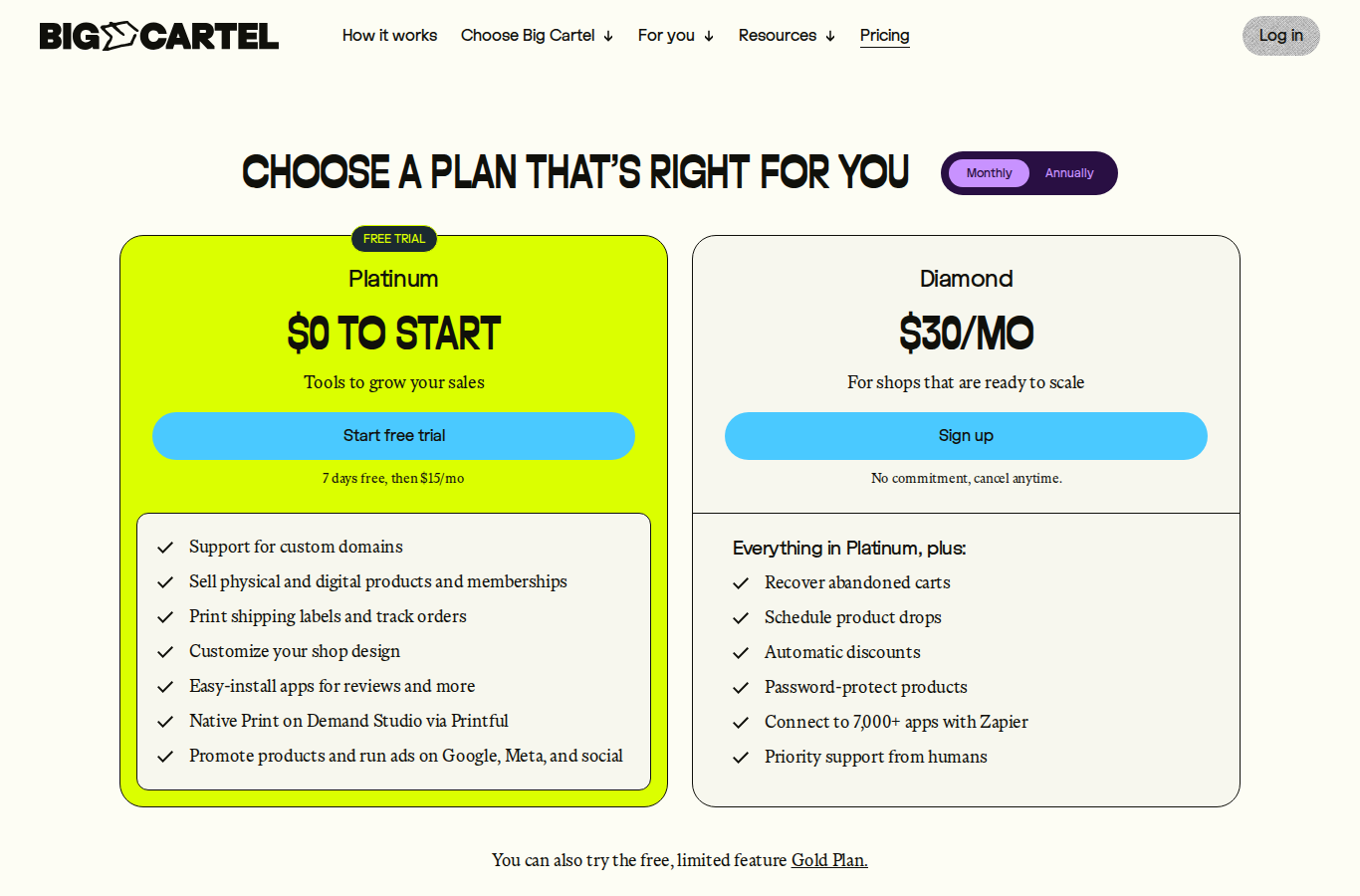
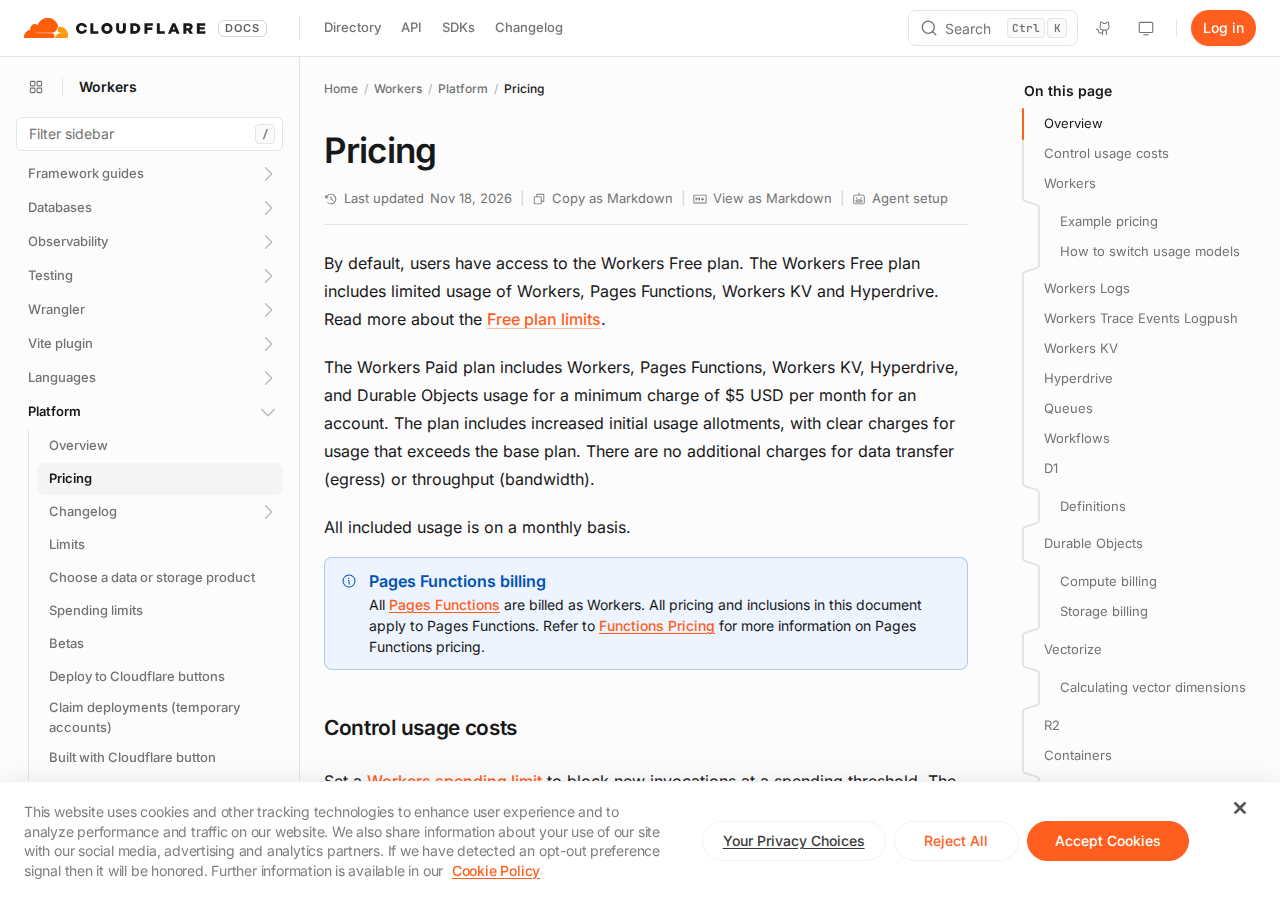
About this teardown: we opened or fetched each vendor’s pricing page on 2026-11-21 and used US dollar list prices. Dated screenshots are included for Shopify, Ecwid, Wix, Square, Big Cartel and Cloudflare. Squarespace and Hostinger were read as page text, not screenshotted. Disclosure: we build Otta, one of the options compared. Limitation: we have not measured Otta’s per-request CPU time or visitor capacity on Workers Free, so this post gives no traffic figures.
What is the cheapest way to run an online store?
The cheapest way to run an online store on a domain you already own is self-hosting Otta on Cloudflare Workers Free: $0 a month on 2026-11-21, versus $15–$39 a month hosted. The catch: customers get no order confirmations or sign-in links on Free unless an email provider is added. Workers Paid at $5 a month includes Cloudflare Email Sending.
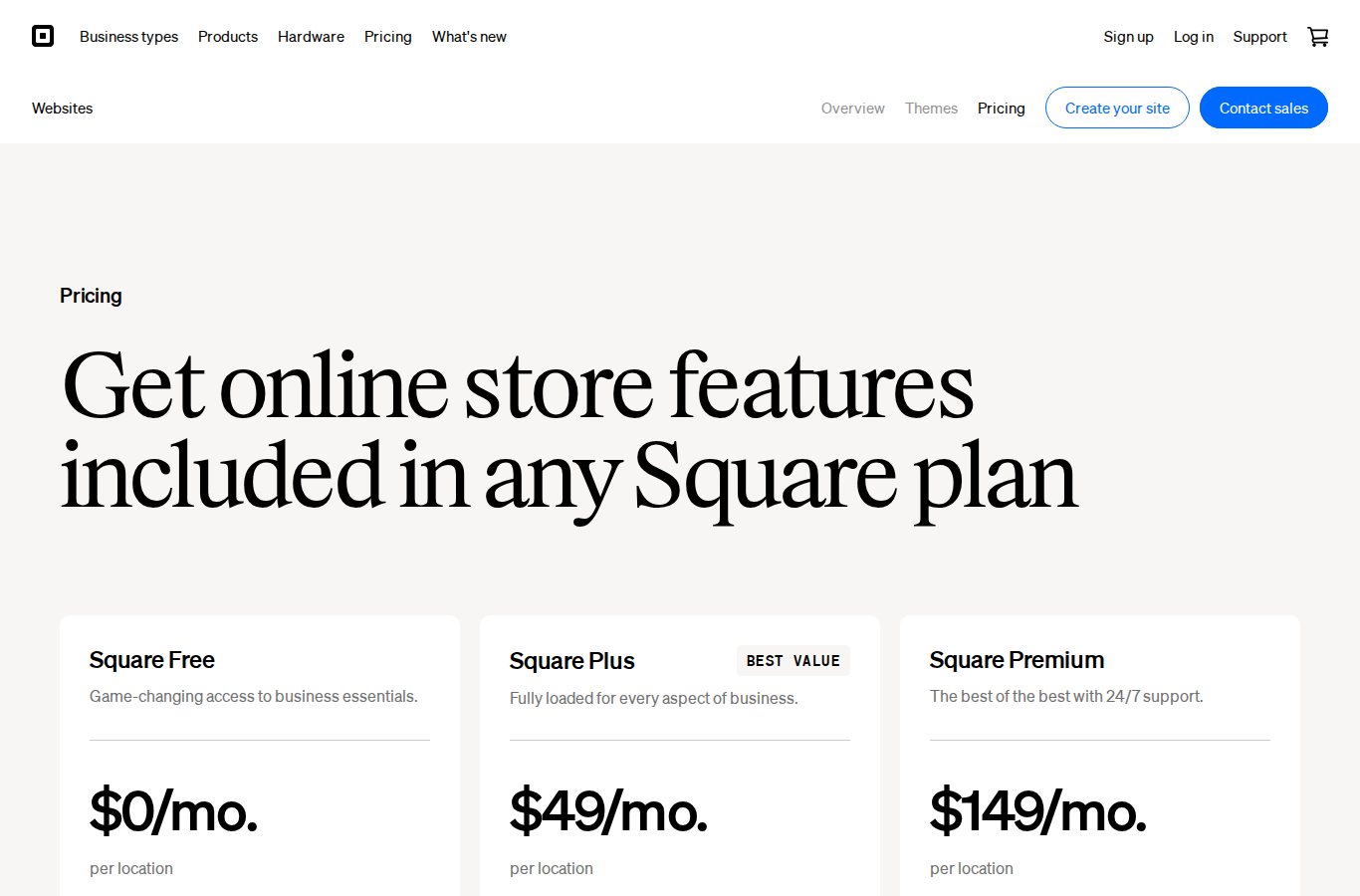
The cheap end also costs you setup work and your own updates. R2, which stores product images, requires a payment method on the Cloudflare account even inside its free allowance. Square Online Free costs $0 a month but charges 3.3% + 30¢ per online sale and doesn’t list a custom domain on its plans page, so it isn’t compared like for like.
Key numbers (US list prices, 2026-11-21, for a reader who already owns a domain):
- $0 a month: Otta on Cloudflare Workers Free, with no customer email unless an email provider is added.
- $60 a year ($5 a month): Otta on Workers Paid with Cloudflare Email Sending, no custom code.
- $228 to $348 a year: Squarespace, Wix, Shopify and Ecwid’s cheapest plans that support a custom domain, billed yearly.
- 2.9% + 30¢ per sale: Stripe’s US card rate, which applies in every setup from the first order.
What would change this answer: as sales grow, percentage fees (for example Squarespace Basic’s 2%) matter more than the subscription gap; see the $1,000 example below. If you need point-of-sale hardware, phone support or no maintenance at all, a self-hosted store does not provide them at any price.
How much does each setup cost before the first sale?
Table 1. One store on a domain you already own, up to 10 products, card payments, zero sales. US list prices checked 2026-11-21. Card processing (2.9% + 30¢ via Stripe US or Shopify Payments) is the same in every setup and starts with the first sale.
Card checkout on Workers Free has not been tested against the 10 ms CPU limit, so treat the Free row as unproven for card sales until you check your own Worker’s CPU time.
| Setup (billing basis) | Order emails | Fixed cost per month, year one | First 12 months | Year two | Platform fee per sale |
|---|---|---|---|---|---|
| Otta on Workers Free, no email provider | No: customers get no order confirmations or sign-in links | $0 | $0 | $0 | 0% (MIT license) |
| Otta on Workers Paid + Cloudflare Email Sending | Yes, no custom code (needs Cloudflare config and DNS) | $5 | $60 | $60 | 0% |
| WooCommerce on Hostinger WooCommerce Unlimited (48-month term, $133.92 paid upfront) | Through the host ¹ | $2.79 | $33.48 | $33.48 | 0% |
| Big Cartel Platinum (monthly) | Included ¹ | $15 | $180 | $180 | 0% |
| Squarespace Basic (yearly) | Included ¹ | $19 | $228 | $228 | 2% |
| Squarespace Core (yearly) | Included ¹ | $29 | $348 | $348 | 0% |
| Wix Core (yearly, paid upfront) | Included ¹ | $29 | $348 | $348 | None shown |
| Shopify Basic (yearly) | Included ¹ | $29 | $348 | $348 | 0% with Shopify Payments; 2% otherwise |
| Ecwid Venture (yearly) | Included ¹ | $29 | $348 | $348 | 0% |
| Shopify Basic (monthly: $1 for months 1–3, then $39) | Included ¹ | $39 from month 4 | $354 (3 × $1 + 9 × $39) | $468 | 0% with Shopify Payments; 2% otherwise |
| Ecwid Venture (monthly) | Included ¹ | $35 | $420 | $420 | 0% |
¹ Hosted builders’ and Hostinger’s order-email behavior was not checked on their help pages; we assume each sends order notifications. The 7-day Big Cartel trial is ignored.
All figures assume you already own a domain; the domain line item below covers the cost if you don’t. Per-month figures for Workers Paid include the $5 minimum; extra usage on Paid costs $0.30 per additional million requests (Workers pricing).
Deploy the store with the Deploy to Cloudflare button · $0 a month on Workers Free without order emails, or $5 a month on Workers Paid with them. You’ll need a Cloudflare account with a payment method on file for R2.
Why trust these numbers: what the top search results still say
On 2026-11-21 the top results for "cheapest way to run an online store" were vendor or affiliate guides published or last updated between 2023 and July 2026. Three of them quote plans that the vendors’ own pricing pages no longer show:
| Result | Last updated (as shown on the page) | What it says | What the vendor’s pricing page showed on 2026-11-21 |
|---|---|---|---|
| Shopify: cheap ecommerce platforms | Jul 5, 2026 | Table lists "Shopify $5/month" and "Ecwid $0/month" | No Starter plan on Shopify’s US pricing page; no free plan on Ecwid’s |
| Themeisle: cheapest way to launch an ecommerce store | January 19, 2024 | Ecwid "offers a generous free plan" for "up to five different products" | Ecwid’s cheapest plan is Starter at $5 a month |
| ecommerce-platforms.com: cheapest possible way to launch | Mar 11, 2023 | "there is a free to use Ecwid plan" | Same as above |
None of these three prices a self-hosted store on a free hosting tier such as Cloudflare Workers Free. That gap is why this teardown prices every line item, with sources checked on the date shown.
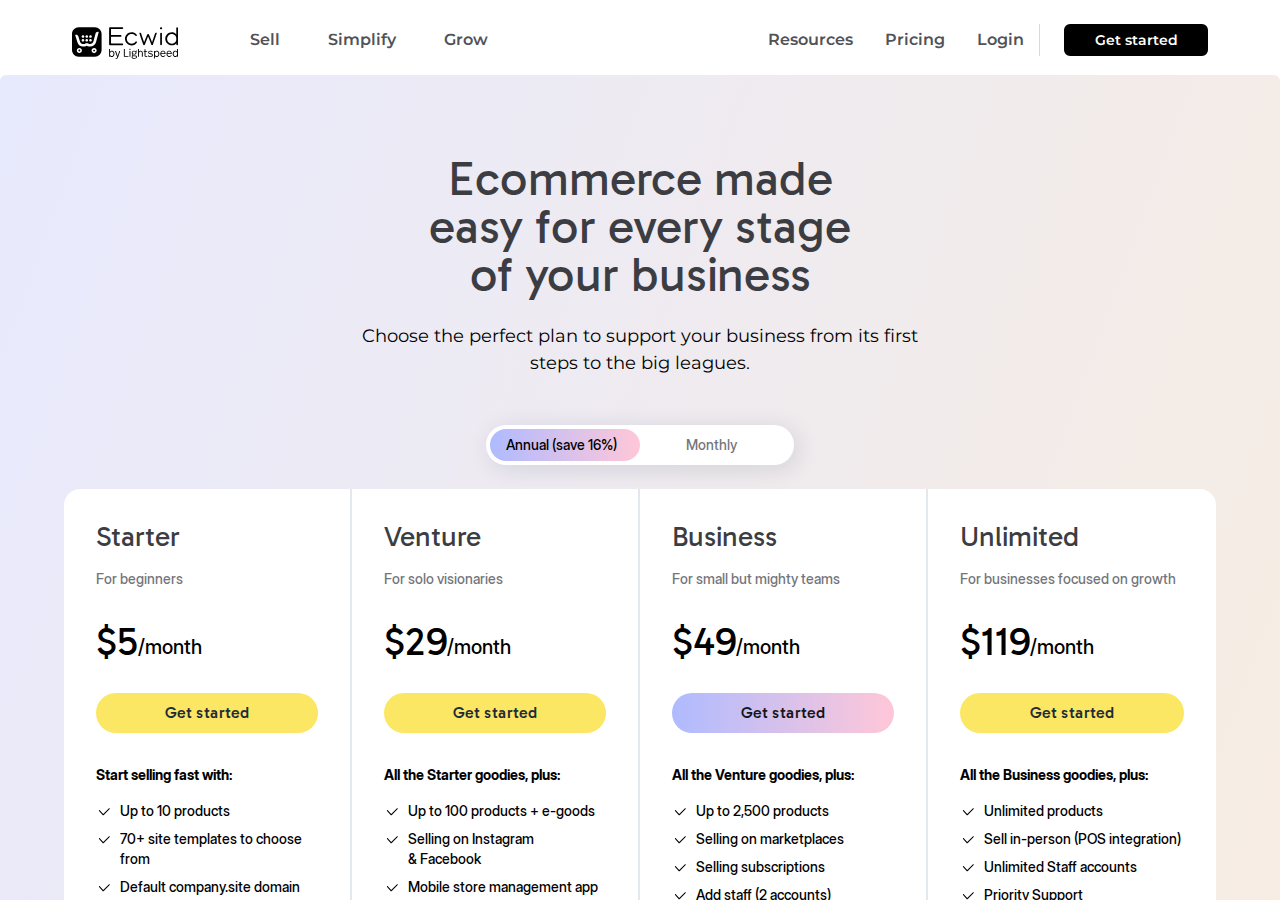
Ecwid’s free plan is gone. Ecwid’s pricing page lists Starter, at $5 a month with up to 10 products and a "Default company.site domain", as its cheapest plan, and no free plan. Search snippets from older Ecwid blog posts still describe a five-product free plan. FitSmallBusiness’s Ecwid review (updated 2025-12-18) reports that Ecwid stopped offering the free tier to new users in March 2025 and told existing free stores they would close on 2025-11-20 unless they upgraded (FitSmallBusiness).
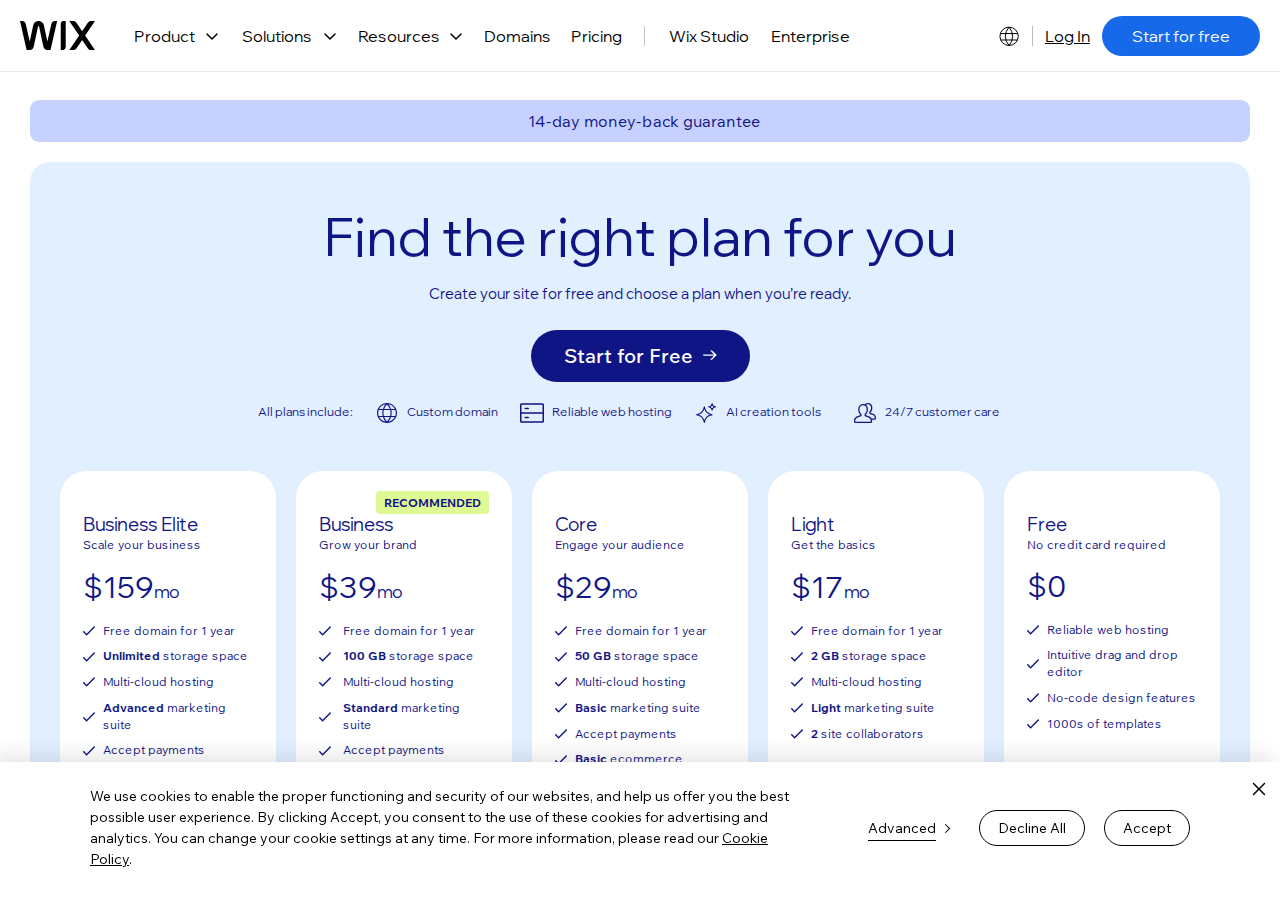
Shopify Starter is closed to new stores. Shopify’s Help Center says: "The Starter plan isn’t available to new stores" (Shopify Help Center). Shopify’s July 2026 guide still lists $5; its US pricing page lists Basic, Grow, Advanced and Plus, and Basic at $29 a month billed yearly is the cheapest plan with a full online store.
What a zero-revenue month actually costs: four line items
An online store’s zero-revenue cost is its fixed costs: everything you pay before an order arrives. It has four parts:
- Platform or hosting. A subscription on a hosted builder, or a hosting bill if you run the software yourself.
- Domain. This post assumes you already own one. If you don’t, add about $10.46 a year for a .com: that is the Cloudflare price to register and to renew listed by the third-party tracker cfdomainpricing.com (checked 2026-11-21; it may lag). Cloudflare says "Cloudflare Registrar does not mark up domain prices at all" (Cloudflare Registrar); its live price shows in its domain search. For comparison, Porkbun listed a .com at $11.81 to register and $11.81 to renew (Porkbun, 2026-11-21). Some registrars discount the first year and renew higher, so compare renewal prices.
- Payments. Most card processors charge per sale, not per month. Stripe’s pricing page says: "No setup fees, monthly fees, or hidden fees." Its US rate is 2.9% + 30¢ per successful domestic card charge (Stripe pricing). International cards and currency conversion cost more, and rates differ by country. Cash on delivery has no processor fee.
- Transactional email. Order confirmations and sign-in links need a sending service. Hosted builders bundle one; a self-hosted store needs its own sender.
Hosted store builders: the monthly floor in November 2026
Table 2. Cheapest hosted plans that take online payments. US list prices on each vendor’s pricing page, opened or fetched 2026-11-21. Platform fees are charged on top of the card processor’s fee.
| Platform and plan | Billed monthly | Billed yearly (per month) | Platform fee per sale | Custom domain | Main limit | Source |
|---|---|---|---|---|---|---|
| Shopify Basic | $39 | $29 | 0% with Shopify Payments (cards from 2.9% + 30¢); 2% with a third-party processor | "Custom domain name" included; "use a domain you already own, or buy a new one" | Intro offer: "Try 3 days free, then $1/month for 3 months." | shopify.com/pricing |
| Squarespace Basic | $25 | $19 | 2% online store fee | Annual plans "include one (1) year of free domain registration on available domains", registered within a year of the subscription start | 2% on every online sale | squarespace.com/pricing (page text, not screenshotted) |
| Squarespace Core | $39 | $29 | 0% | Same as Basic | None for a small store | squarespace.com/pricing (page text, not screenshotted) |
| Wix Core | Not shown | $29 ($348 paid upfront) | None shown on the plans page | "Free domain for 1 year": a voucher "redeemable within 60 days following your purchase," for a new domain from Wix | Wix’s Free and Light plans don’t list "Accept payments" | wix.com/plans |
| Ecwid Starter | $5 | $5 | 0% | No ("Default company.site domain") | 10 products | ecwid.com/pricing |
| Ecwid Venture | $35 | $29 | 0% | "Buy a custom domain" from the Ecwid admin | 100 products | ecwid.com/pricing |
| Square Online Free | $0 | Not listed | 3.3% + 30¢ online | Not listed for Free on the plans page | Fee on every online sale | squareup.com |
| Big Cartel Platinum | $15 after a 7-day trial | Annual toggle not checked | 0% ("0% transaction fees on all features on all plans") | "Support for custom domains" | Lowest paid tier | bigcartel.com/pricing |
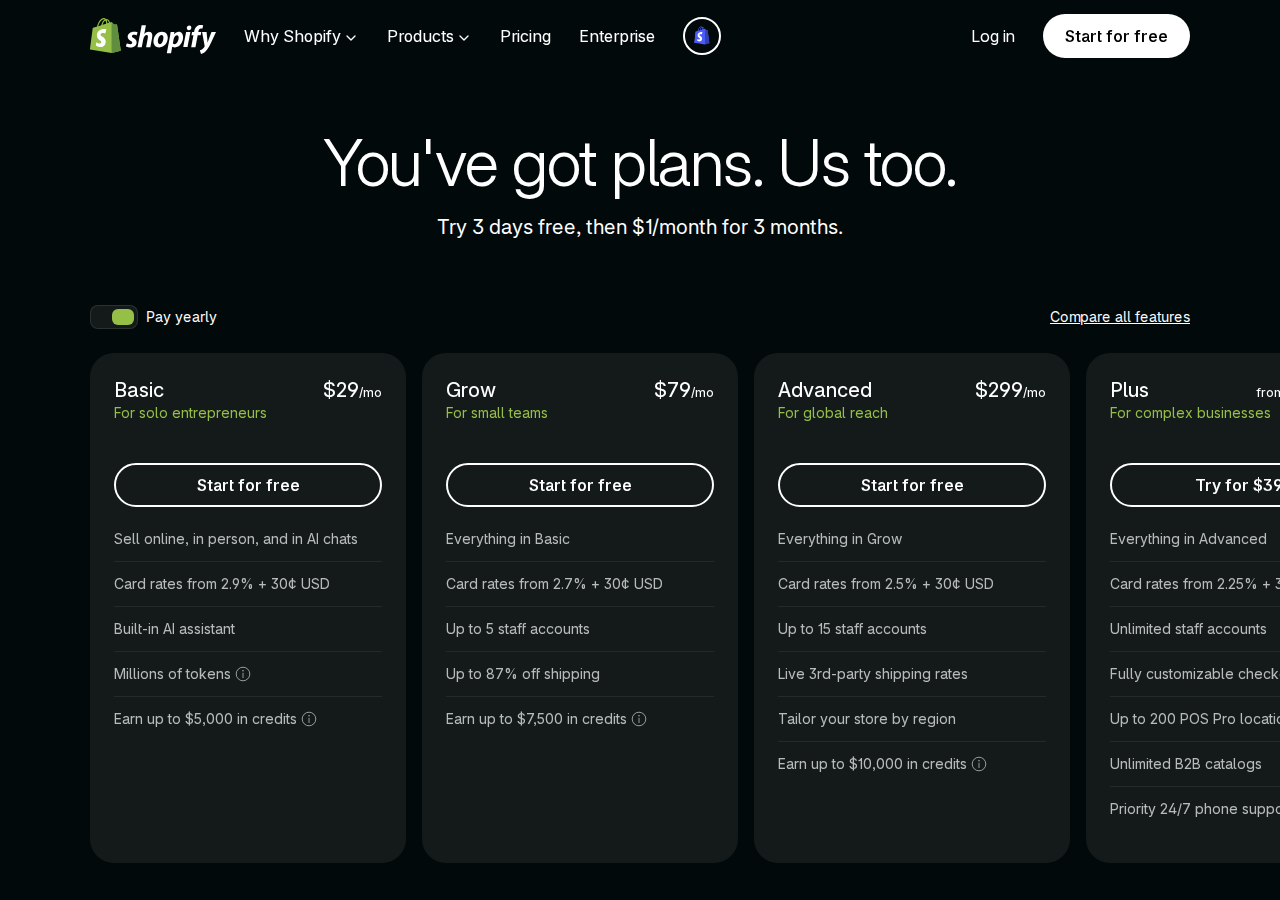
Wix’s $29 is a yearly price. The Wix plans page says "Displayed prices are for yearly subscriptions, paid in full at the time of purchase," so Core’s $29 a month means $348 paid upfront for a year; the page shows no monthly-billing price. The $159 a month on the same page is the Business Elite plan, not Core. A fetch of the page from another region showed Core at $29.77 including GST, so check the price for your own country.
Running a store on Cloudflare Workers Free
A store can run on Cloudflare’s Workers Free plan for $0 a month in hosting while it stays inside the free allowances. One Worker serves the pages, a D1 (SQLite) database holds the data and R2 stores product images.
Table 3. Workers Free allowances a small store hits first. Every source fetched 2026-11-21.
| Resource | Free allowance | What a store uses it for | Source (fetched 2026-11-21) |
|---|---|---|---|
| Worker requests | 100,000 per day, reset at midnight UTC | Storefront pages, admin, API calls | Workers pricing |
| CPU time | 10 ms per invocation | Each request’s server work | Workers limits |
| D1 reads and writes | 5 million rows read and 100,000 rows written per day | Products, carts, orders | Workers pricing |
| D1 storage and queries | 500 MB per database and 5 GB per account; 50 queries per Worker invocation | The store’s single database | D1 limits |
| R2 | 10 GB-month, 1 million Class A and 10 million Class B operations per month, free egress | Product media, private downloads | Workers pricing |
| Email Sending | Not available on Free | Order emails, sign-in links | Email Sending pricing |
Workers Free also allows 5 Cron Triggers per account, and Cloudflare Images allows 5,000 unique transformations a month on its free plan (Workers limits, Images pricing).
What 100,000 requests a day means for a store
On Cloudflare Workers Free, a request is one HTTP request to the Worker, not one visitor, and a single page view can make several. Cloudflare’s pricing page says "Requests to static assets are free and unlimited," so files served as static assets, such as built CSS and JavaScript, don’t count toward the cap.
Cloudflare does not say whether scheduled (Cron Trigger) invocations count toward the Free daily cap. Its pricing page does count them as requests when it estimates a Paid bill: its example of "a Worker that runs on a Cron Trigger once an hour" lists "720 requests/month".
When a Workers Free account passes 100,000 requests in a day, Cloudflare returns Error 1027 until the counter resets at midnight UTC (Workers limits). If the route is set to fail open, requests bypass the Worker instead. Either way, a store served by its Worker is unavailable for the rest of that day.
Where Otta fits on Workers Free
Otta is an open-source commerce plugin for EmDash that runs products, cart, checkout, orders and inventory inside the CMS on Cloudflare Workers, with no separate backend, database server or Redis.
EmDash is Cloudflare’s open-source, Astro-based CMS, which reached 1.0 on 2026-09-28. You don’t need an existing EmDash site: the one-click template deploys EmDash and Otta together as one Worker with one D1 database, which is what keeps hosting at $0 on Workers Free. That makes Otta an open-source Shopify alternative that runs on Cloudflare. It is not a drop-in for a store on WordPress or another CMS. The Otta README records a full run of the Deploy button on Workers Free on 2026-11-10, on the template’s earlier release (EmDash 1.3.1, Otta 0.2.0): deploy, storefront and claiming the admin. Otta is MIT-licensed. For the full feature walkthrough, see EmDash Ecommerce: How to Add a Store.
The catches of a $0 store
A store on Cloudflare Workers Free costs almost nothing in money but comes with trade-offs. These five change a buying decision:
- R2 needs a payment method. Cloudflare requires a payment method on the account before you can use R2, even inside the free allowance.
- The 10 ms CPU limit is the one to watch. Workers Free stops any request that uses more than 10 ms of CPU time. Cloudflare counts only compute: "Waiting on network requests (such as fetch() calls, KV reads, or database queries) does not count toward CPU time" (Workers limits). Otta did hit the limit once: first-boot database migrations on Free were cut off partway through, which is why the template now runs migrations at deploy time. Check your own Worker’s CPU time in the Cloudflare dashboard before relying on Free.
- No email out of the box on Free. Cloudflare Email Sending isn’t available on Workers Free. Without an email provider, Otta holds order emails for up to 72 hours and then skips them, and customers don’t get sign-in links (README). You have two routes:
- Use your own EmDash config. The one-click template’s
otta()integration has no option for adding an email plugin, so this route means replacing it with a hand-written EmDash config that registers Otta’s descriptors and your provider. Otta’s email provider docs describe the provider as about 50 lines; the config change is extra work, and we have not tested it. - Move to Workers Paid ($5 a month minimum) and use Cloudflare Email Sending: 3,000 emails a month are included, then $0.35 per 1,000. No custom code, but it needs config and DNS on Cloudflare: an active Email Sending domain, a
send_emailbinding namedEMAILin your Wrangler config, and theOTTA_EMAIL_FROMbuild variable, set last. If your domain is registered elsewhere, you must at least move its DNS to Cloudflare.
- Use your own EmDash config. The one-click template’s
- You apply the updates. Most updates arrive as a weekly Dependabot pull request, and merging it deploys to production. Releases that move EmDash, Astro or React need manual version bumps. Otta is production-ready today and pre-1.0, so pin exact versions, review each update and expect breaking changes before 1.0.
- There’s no support desk. Help comes through GitHub issues.
Smaller limits on Workers Free
- Free-plan query budget. Background housekeeping keeps itself to 30 database queries per run by default, inside Free’s limit of 50 per invocation, so it runs more slowly than on Paid. Saving many sized variants with SKUs at once can fail on Free past about 16 to 20 variants (issue #637).
- Image transformations are capped. The free Images plan allows 5,000 unique transformations a month. Beyond that, "New transformations will return a 9422 error" and there’s no charge (Images pricing). The project hasn’t yet checked how a store behaves past that limit.
- Backups are shorter. D1 Time Travel keeps 7 days of history on Free and 30 days on Paid (D1 limits).
- Builds count against a quota. Deploys run on Workers Builds from your own GitHub repository. The Free plan allows 3,000 build minutes a month, one concurrent build and a 20-minute build timeout (Workers Builds limits). Even if every build ran the full 20 minutes, that is 150 builds a month.
- Delayed-confirmation payment methods aren’t supported yet. With methods such as SEPA debit, ACH or bank transfer, the order expires and the payment is refunded (issue #606).
What the first $1,000 in sales changes
Not priced: running the store. On a self-hosted store, updates and fixes are yours to run, and Otta is built so you can hand that work to an AI agent and approve the result. A hosted builder takes on that work as part of its fee. Feature for feature, Shopify Basic and Squarespace Core are the closest hosted matches to a self-hosted Otta store.
Assume one month with 20 orders of $50 each, $1,000 in all, paid by US domestic cards. In every setup, processing at 2.9% + 30¢ costs $29 + $6 = $35. Platform fees and subscriptions are the only differences:
- Otta on Workers Free, no customer email ($1,000 month, 20 × $50 orders): $0 + $35 = $35.00
- Otta on Workers Paid ($1,000 month, 20 × $50 orders): $5 + $35 = $40.00
- Squarespace Basic, yearly ($1,000 month, 20 × $50 orders): $19 + $35 + 2% of $1,000 ($20) = $74.00
- Ecwid Venture, monthly ($1,000 month, 20 × $50 orders): $35 + $35 = $70.00
- Shopify Basic, monthly after the intro months, Shopify Payments ($1,000 month, 20 × $50 orders): $39 + $35 = $74.00. With a third-party processor, add 2% ($20).
One break-even worth knowing: Squarespace Basic’s 2% fee equals the $10 monthly gap to Core ($29 vs $19, billed yearly) at $500 a month in sales; above that, Core is cheaper. We didn’t project further, so do the math with your own numbers. Otta vs Shopify: Total Cost works through larger volumes.
What hosted builders and other stacks include
Shopify Basic and Squarespace Core cost $24 to $29 a month more than Otta on Cloudflare, and they handle updates, hosting and support for it. Hosted builders also offer a theme and app marketplace, point-of-sale hardware, built-in email marketing or phone support, with no GitHub or Cloudflare account to manage. Otta’s ecosystem is smaller today; more themes and plugins are planned. We recommend Otta, which we build, if the fixed floor matters most, if you want to own the code (MIT) and the data, or if you already run EmDash.
There are other self-hosted options:
- WooCommerce is free software, but it needs a PHP and MySQL host, and it is the most common self-hosted alternative. Hostinger’s WooCommerce Unlimited plan is $2.79 a month, but only on a 48-month term paid upfront ($133.92), with a domain free for one year; it renews at $16.99 a month, or $203.88 a year (Hostinger, 2026-11-21). That page lists no month-to-month price. Shopify’s July 2026 guide puts WooCommerce hosting at $25 to $350 a month, a competitor’s figure. See Otta vs WooCommerce.
- Medusa, Saleor and Vendure are open-source commerce backends. Each is a separate backend you host, which usually means a server process and a database. Medusa’s deployment docs, for example, say it "must be deployed to a hosting provider supporting Node.js server deployments" and connects to "a PostgreSQL database, Redis," with "at least 2GB of RAM" recommended (Medusa deployment docs, checked 2026-11-21). Check prices with your own host. See Otta vs Medusa.
EmDash also has other commerce plugins, including Vendwick, DashCommerce, Catalog Studio and Ritely. We haven’t priced them here. Best EmDash Plugins (2026) covers the registry.
How to launch the store on Cloudflare
- Create a Cloudflare account and add a payment method, which R2 requires.
- Generate an encryption key. It protects the payment keys you enter in the admin:
npx emdash secrets generate- Click Deploy to Cloudflare and paste the key when asked for
EMDASH_ENCRYPTION_KEY. - Turn off preview builds: Worker → Settings → Build → Branch control → clear Enable Preview Builds.
- Claim the store promptly. Open
/_emdash/adminonce, find the[otta-setup]line in the Worker’s logs, and open the setup link it contains. Then price your products. - Connect Stripe or turn on cash on delivery.
- Connect your domain, and move to Workers Paid for Cloudflare Email Sending so customers get order emails.
For a step-by-step version with screenshots, read EmDash Store Template: Deploy to Cloudflare in One Click. For how the pieces fit together, read Ecommerce on Cloudflare Workers: Run a Store Step by Step.
FAQ
Can you run an online store for free?
Almost. Square Online Free costs $0 a month but charges 3.3% + 30¢ per online sale and doesn’t list a custom domain on its plans page. If you already own a domain, Otta on Cloudflare Workers Free costs $0 a month, but R2 requires a payment method on file and customers get no order confirmations or sign-in links unless an email provider is added (prices checked 2026-11-21).
How much does it cost to run an online store per month?
At zero revenue in November 2026, on a domain you already own, Otta costs $0 a month on Cloudflare Workers Free without customer email and $5 a month on Workers Paid with Cloudflare email. The cheapest hosted plans cost $15 to $29, and Shopify Basic billed monthly costs $39. Card fees, usually 2.9% + 30¢, start with the first order.
Is Shopify cheaper than self-hosting?
Not on fixed cost: as of 2026-11-21, Shopify Basic is $29 a month billed yearly or $39 billed monthly, while Otta on Cloudflare costs $0 a month without customer email or $5 with it. The trade-off is that self-hosting gives up Shopify’s support, app store and hands-off updates, and you run updates yourself or through an AI agent.
What are the hidden costs of a cheap online store?
The usual ones are per-sale fees (card processing at about 2.9% + 30¢, plus platform fees such as Squarespace Basic’s 2%), paid apps or plugins, and domain renewal once a free first-year domain expires. A self-hosted store adds updates and fixes; a hosted store adds a subscription that runs whether you sell or not.
What are the limits of the Cloudflare Workers Free plan, and what happens past them?
Workers Free allows 100,000 requests a day, 10 ms of CPU per invocation, and 5 million D1 rows read and 100,000 written per day, and it doesn’t include Email Sending (checked 2026-11-21). Past the daily request limit, Cloudflare returns Error 1027, or bypasses the Worker if the route fails open, until the counter resets at midnight UTC.
Do I need an email service for an online store?
Yes, for order confirmations and sign-in links. Hosted builders bundle one. On Cloudflare Workers Free, an Otta store has no email service, and the one-click template has no option for adding a provider. On Workers Paid ($5 a month minimum) you can use Cloudflare Email Sending, which includes 3,000 emails a month.
Try it
Otta runs the whole store inside EmDash, in one Cloudflare Worker.
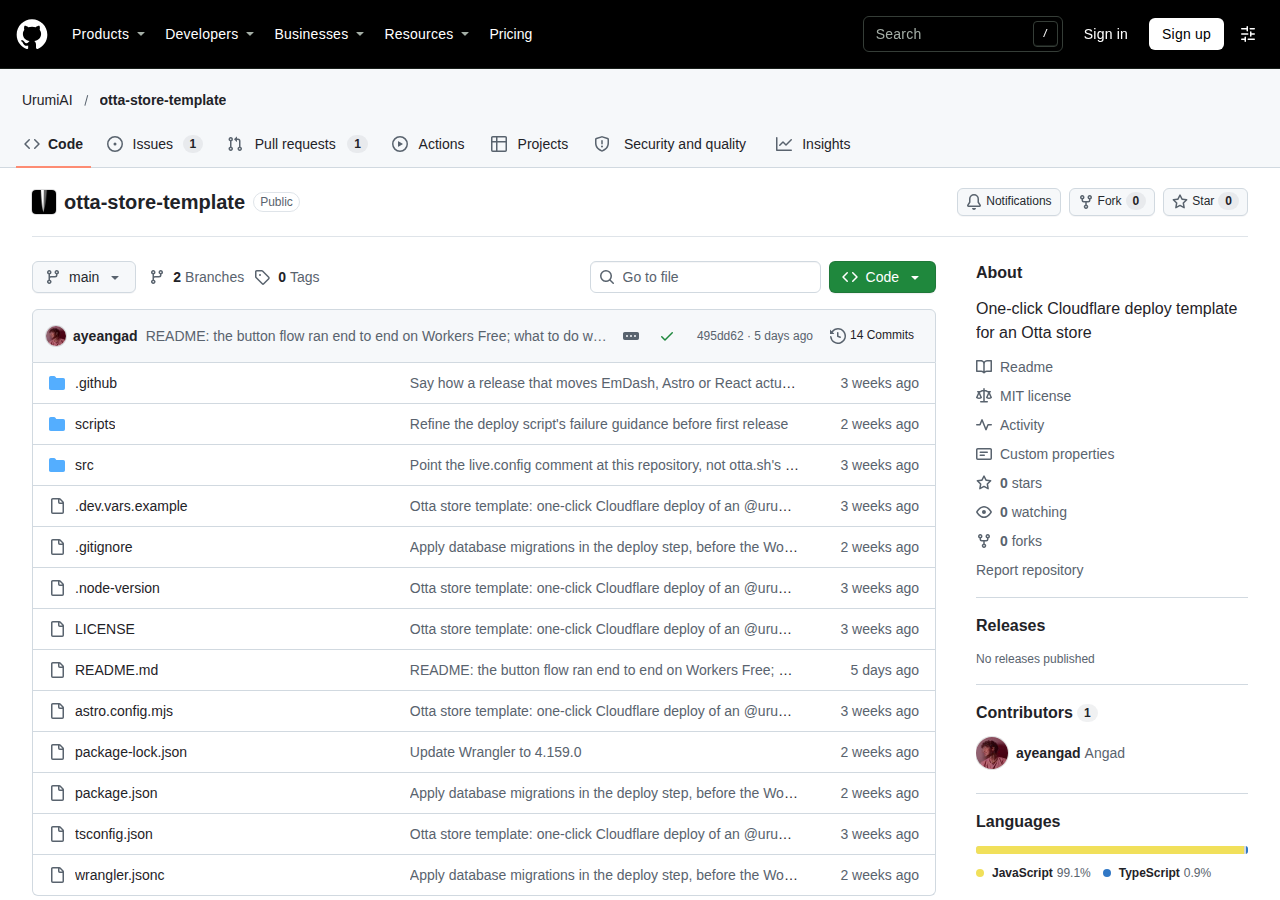
Deploy your own store to Cloudflare (template: UrumiAI/otta-store-template). You’ll need a Cloudflare account with a payment method on file for R2. Order emails need Workers Paid with Cloudflare Email Sending, or an email provider added through your own EmDash config. Want to look first? Try the Otta playground: a disposable store that lasts about an hour, with no account and no card payments.
Read the code on GitHub (MIT), and star the repo to follow releases on the way to 1.0.
About the author: Vedanshu Jain is a former WooCommerce core engineer and tech lead, and builds Otta at Urumi. GitHub · WordPress.org
Last updated Nov 23, 2026